EGFR mutations are common in stage III NSCLC and may be driving tumor growth

~1 in 3 patients with stage III NSCLC may have an EGFR mutation1*

Mutations in EGFR activate abnormal cell signaling, which leads to cancer cell proliferation and inhibition of apoptosis2
In locally advanced, unresectable stage III NSCLC, EGFR mutations are associated with increased risk of metastatic recurrence, including CNS metastases,
compared with wild-type disease3,4†‡
In a retrospective analysis of patients with locally advanced unresectable stage III NSCLC (N=236)3†
Patients with EGFRm NSCLC had a
higher risk of metastatic recurrence
compared with EGFR wild-type NSCLC
76.1%
of patients
with
EGFRm
61.2%
of patients
with EGFR
wild-type
P=0.036

Patients with EGFRm NSCLC had an
~3x higher risk of developing CNS metastases
compared with EGFR wild-type NSCLC
38.0%
of patients
with
EGFRm
12.7%
of patients
with EGFR
wild-type
P<0.001
*Zhang et al (2016) was a retrospective analysis of 456 studies including patients with NSCLC. Eighty-five studies included patients with stage III NSCLC. Of those patients, 33.8% had an EGFR mutation (95% CI: 29.8, 37.8).1
†Kim et al (2023) retrospectively examined the clinical outcomes and recurrence patterns after definitive CRT in patients with unresectable stage III NSCLC according to EGFR mutation status at Samsung Medical Center in Korea from January 2013 to December 2018. EGFR mutations were detected in 71 of 236 patients (30.1%) and the median follow-up duration was 41.7 months.3
‡Tanaka et al (2015) was a retrospective study of 104 patients with unresectable stage III adenocarcinoma who were examined for EGFR mutation status and received definitive cCRT consisting of platinum doublet chemotherapy in the first-line setting from 2006 to 2013 at Aichi Cancer Center Hospital or Institute of Biomedical Research and Innovation. The study analyzed clinical outcomes and recurrence patterns according to mutation status. Twenty-nine patients (28%) had EGFR-mutated tumors and 75 (72%) were EGFR wild-type.4

Eligible patients with unresectable stage III EGFRm NSCLC have an option for targeted therapy
RESECTABLE
(STAGE IB-IIIA)
ADAURA
TAGRISSO is indicated as adjuvant therapy after tumor resection in adult patients with NSCLC whose tumors have EGFR exon 19 deletions or exon 21 L858R mutations, as detected by an FDA-approved test6
LOCALLY
ADVANCED,
UNRESECTABLE
(STAGE III)
LAURA
TAGRISSO is the first and only EGFR TKI indicated for the treatment of adult patients with locally advanced, unresectable (stage III) NSCLC whose disease has not progressed during or following concurrent or sequential platinum-based chemoradiation therapy and whose tumors have EGFR exon 19 deletions or exon 21 L858R mutations, as detected by an FDA-approved test6
RESECTABLE
(STAGE IB-IIIA)
ADAURA
TAGRISSO is indicated as adjuvant therapy after tumor resection in adult patients with NSCLC whose tumors have EGFR exon 19 deletions or exon 21 L858R mutations, as detected by an FDA-approved test5
LOCALLY
ADVANCED,
UNRESECTABLE
STAGE III
LAURA
TAGRISSO is the first [and only] EGFR TKI indicated for the treatment of adult patients with locally advanced, unresectable stage III NSCLC whose tumors have EGFR exon 19 deletions or exon 21 L858R mutations, as detected
by an FDA-approved test, and whose disease has not progressed during or following definitive platinum-based chemoradiation therapy5
LOCALLY
ADVANCED OR
METASTATIC
FLAURA2
TAGRISSO is indicated in combination with pemetrexed and platinum-based chemotherapy, for the first-line treatment of adult patients with locally advanced* or metastatic NSCLC whose tumors have EGFR exon 19 deletions or exon 21 L858R mutations, as detected by an FDA-approved test5
*Not amenable to curative surgery or radiotherapy.8
METASTATIC
(STAGE IV)
FLAURA
TAGRISSO is indicated for the first-line treatment of adult patients with metastatic NSCLC whose tumors have EGFR exon 19 deletions or exon 21 L858R mutations, as detected by an FDA-approved test5
LOCALLY ADVANCED,
UNRESECTABLE STAGE III
LAURA
TAGRISSO is the first [and only] EGFR TKI indicated for the treatment of adult patients with locally advanced, unresectable stage III NSCLC whose tumors have EGFR exon 19 deletions or exon 21 L858R mutations, as detected by an FDA-approved test, and whose disease has not progressed during or following definitive platinum-based chemoradiation therapy5
RESECTABLE
(STAGE IB-IIIA)
ADAURA
TAGRISSO is indicated as adjuvant therapy after tumor resection in adult patients with NSCLC whose tumors have EGFR exon 19 deletions or exon 21 L858R mutations, as detected by an FDA-approved test5
LOCALLY ADVANCED
OR METASTATIC
FLAURA2
TAGRISSO is indicated in combination with pemetrexed and platinum-based chemotherapy, for the first-line treatment of adult patients with locally advanced* or metastatic NSCLC whose tumors have EGFR exon 19 deletions or exon 21 L858R mutations, as detected by an FDA-approved test5
*Not amenable to curative surgery or radiotherapy.8
METASTATIC
(STAGE IV)
FLAURA
TAGRISSO is indicated for the first-line treatment of adult patients with metastatic NSCLC whose tumors have EGFR exon 19 deletions or exon 21 L858R mutations, as detected by an FDA-approved test5
TAGRISSO demonstrated an almost sevenfold increase in median PFS following CRT6
84%
39.1 months mPFS with TAGRISSO
(95% CI: 31.5, NE) vs 5.6 months mPFS
with placebo (95% CI: 3.7, 7.4)
HR=0.16 (95% CI: 0.10, 0.24); P<0.001; N=2166


PFS RATES AT 12 MONTHS AND 24 MONTHS8
| Time | TAGRISSO | Placebo |
|---|---|---|
| 12 months | 74% (95% CI: 65, 80) | 22% (95% CI: 13, 32) |
| 24 months | 65% (95% CI: 56, 73) | 13%(95% CI: 6, 22) |
PFS rates were not powered to show statistical significance.
- Data maturity was 56% at time of analysis (120 targeted events)8
- In a sensitivity analysis of PFS by investigator assessment, median PFS was 38.9 months (95% CI: 26.7, NC) for TAGRISSO and 7.3 months (95% CI: 5.5, 10.3) for placebo. HR=0.19 (95% CI: 0.12, 0.29); N=2169
- The sensitivity analysis was consistent with BICR assessment. It was not powered to show statistical significance
*Primary endpoint was progression-free survival by BICR assessment according to RECIST 1.1.8
†Median duration of follow-up for PFS (censored patients) was 27.7 months in the TAGRISSO arm and 19.5 months in the placebo arm.8

Osimertinib (TAGRISSO) following CRT is an NCCN Category 1 recommendation for patients with unresectable stage III NSCLC who have an EGFR exon 19 deletion or exon 21 L858R mutation.5‡§
‡See the NCCN Guidelines for detailed recommendations, including other treatment options.5
§Osimertinib is recommended as consolidation therapy for patients with unresectable stage III (Category 1) EGFRm (exon 19 deletion, exon 21 L858R mutation) NSCLC with PS 0-1 and no disease progression after definitive concurrent chemoradiation.5
TAGRISSO demonstrated consistent PFS results across most prespecified patient subgroups8

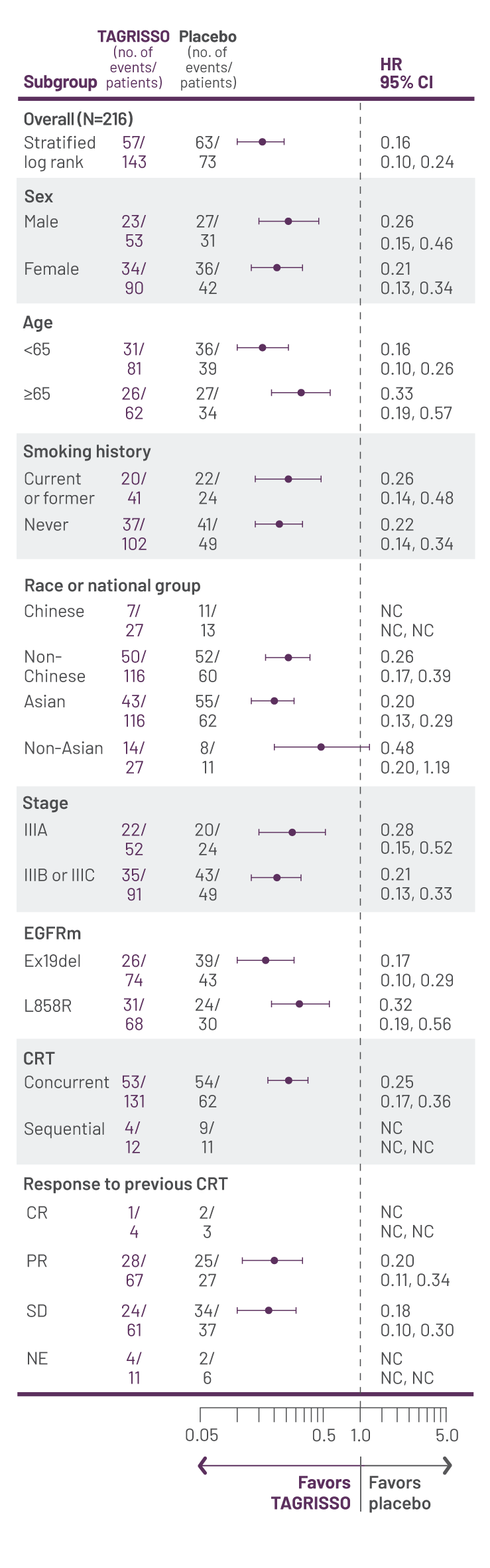
- The exploratory analysis of prespecified patient subgroups was not powered to show statistical significance
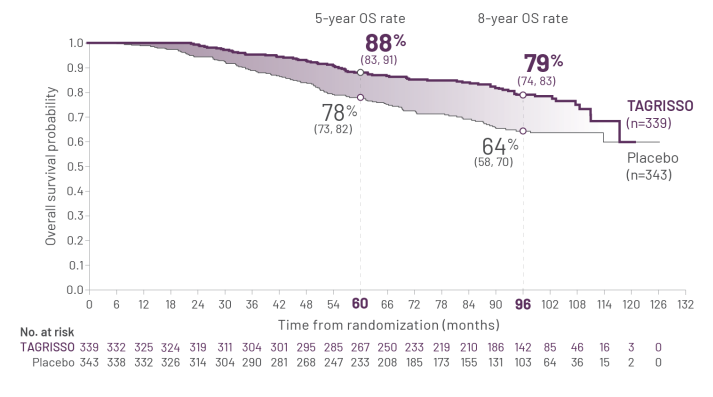
Interim overall survival analysis10
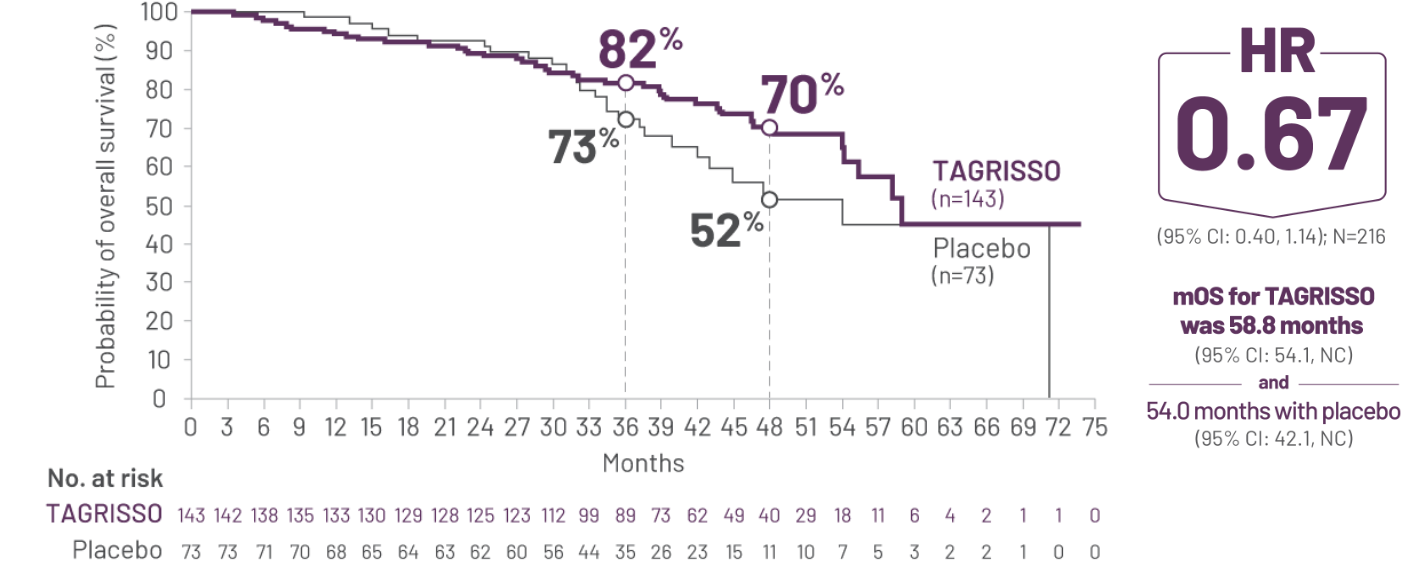
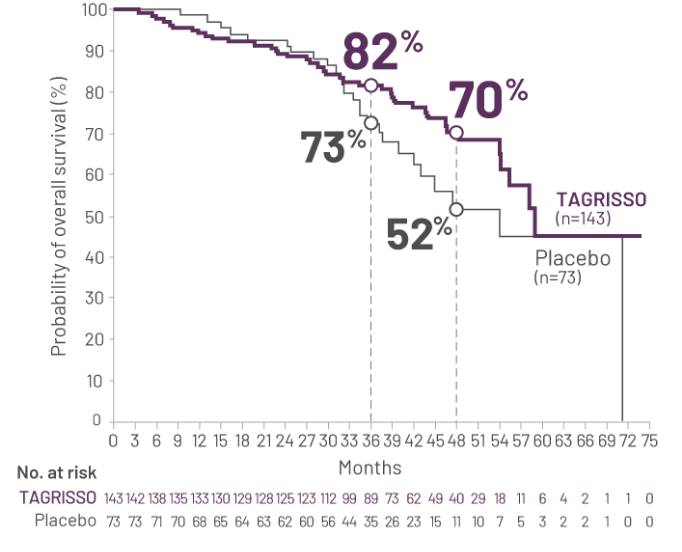
OS data were immature at this interim analysis (31% maturity).
The final OS analysis has not yet been formally tested for statistical significance.
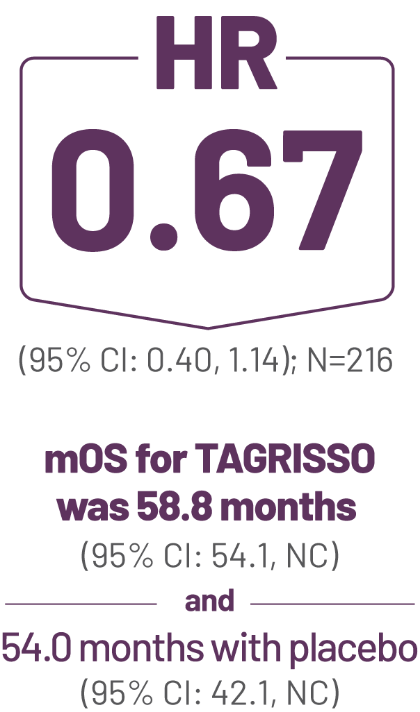
- Median duration of follow-up for OS (censored patients) was 42.6 months in the TAGRISSO arm and 37.5 months in the placebo arm
- As crossover was allowed in LAURA, among the 69 patients who discontinued treatment in the placebo arm, 78% received subsequent treatment with TAGRISSO
*Secondary endpoint in the LAURA trial.
Interim CNS progression-free survival results11
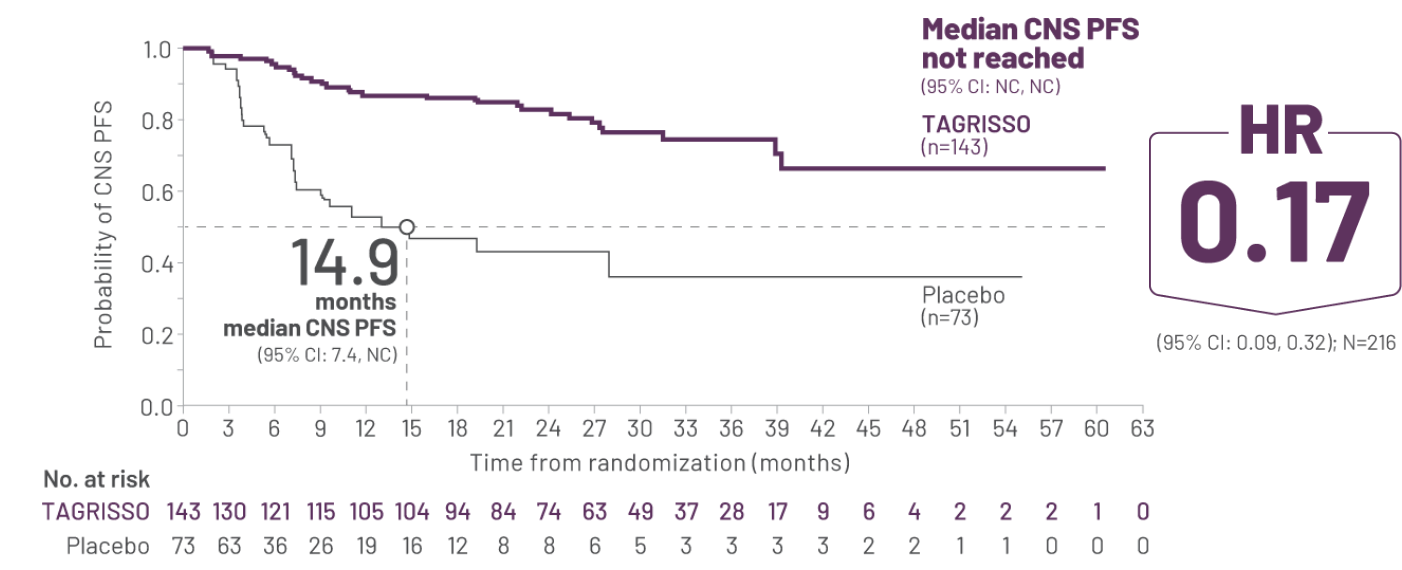
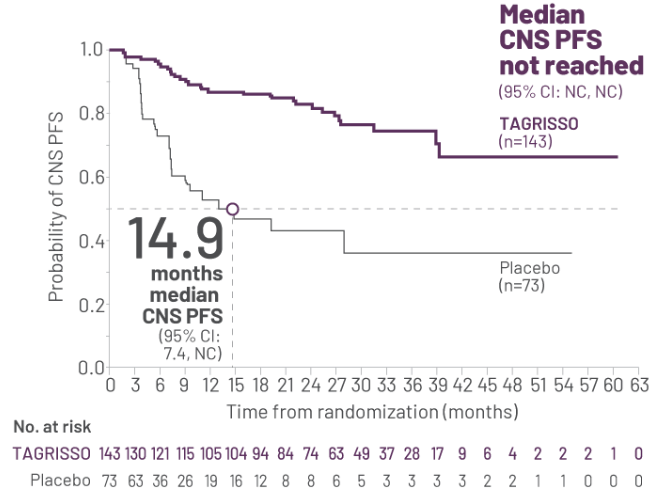
This was a prespecified interim analysis and has not yet been tested for statistical significance.

- Data maturity was 27% at the time of analysis11
- To control for the type I error rate, a sequential multiple testing procedure was used for PFS (primary endpoint), OS, and CNS PFS. At this analysis, CNS PFS could not be formally tested for statistical significance because the interim analysis of OS data did not reach statistical significance at a maturity of 20%11
- All patients underwent MRI brain scans at baseline and at each follow-up during the study. Tumor assessments were performed every 8 weeks until week 48, and then every 12 weeks, until BICR-assessed progression6,11
- Median duration of follow-up for CNS PFS was 24.6 months (range: 0.0, 60.6) in the TAGRISSO arm and 5.7 months (range: 0.0, 55.1) in the placebo arm11
- CNS PFS was defined as the time from randomization until the earliest date of CNS objective disease progression or death (by any cause in the absence of CNS progression) regardless of whether the patient withdrew from randomized therapy or received another anti-cancer therapy before CNS progression11
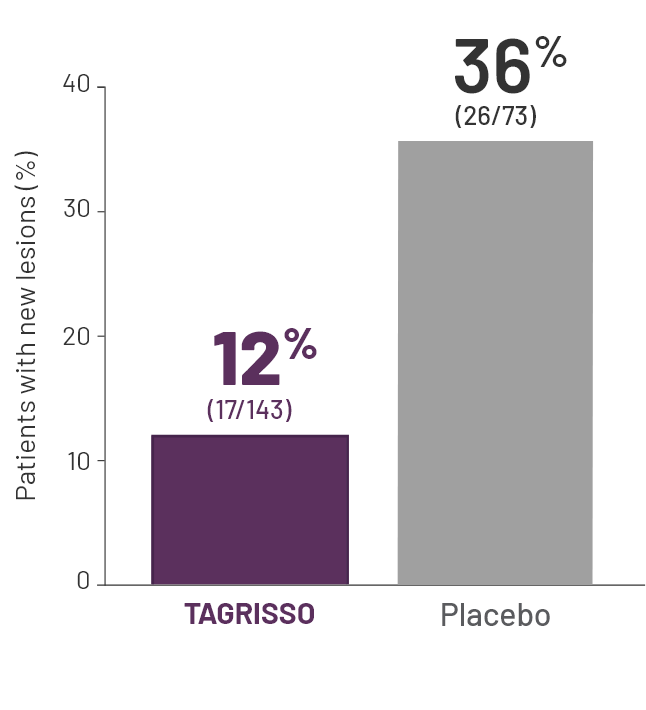
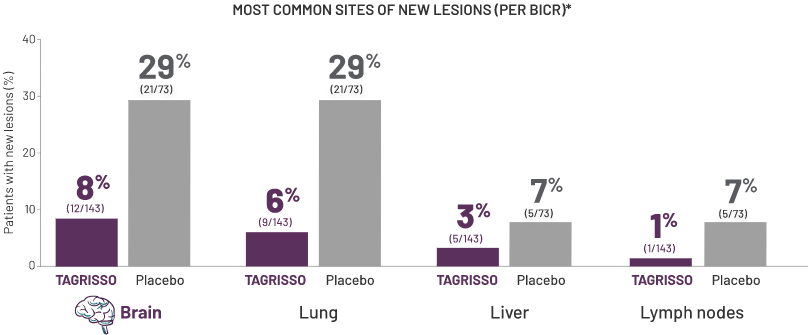
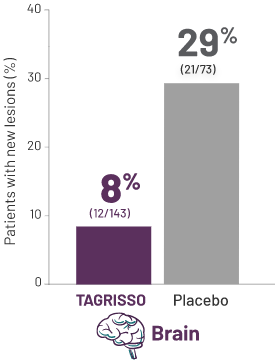
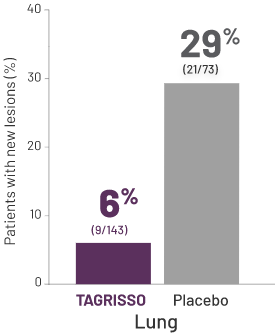
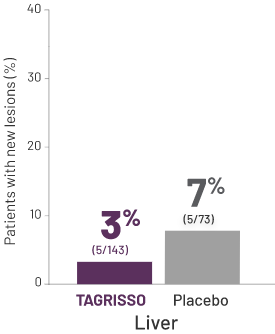
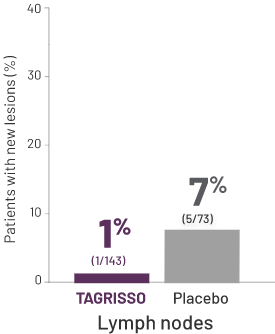
Time to distant metastases or death results11
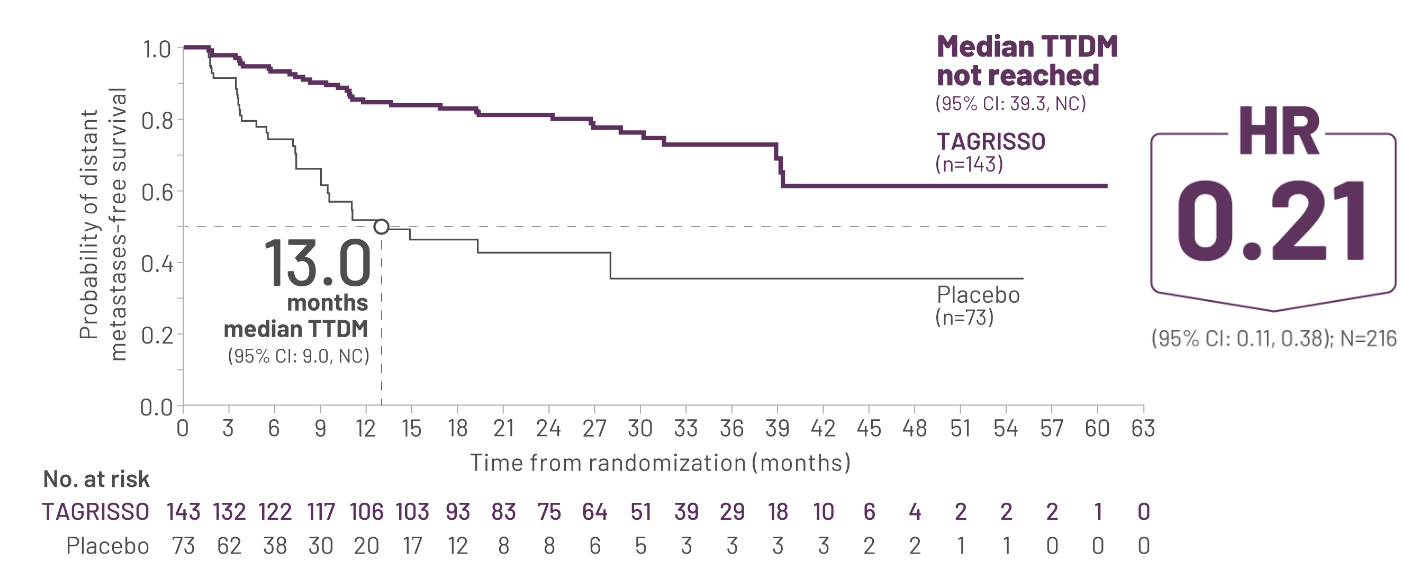
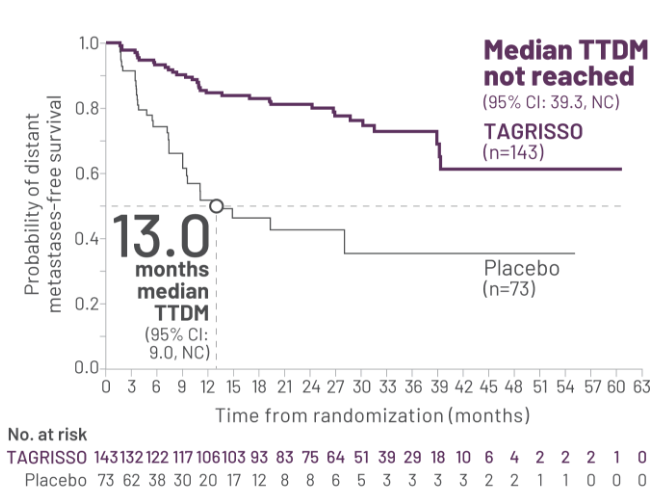
This was a prespecified exploratory analysis and was not powered to show statistical significance.

- TTDM was defined as the time from randomization until the first date of distant metastases or date of death in the absence of distant metastases11
- Distant metastases were defined as any new lesions detected on a scan that were anywhere other than the lungs or regional lymph nodes according to RECIST 1.111
- Median duration of follow-up for TTDM in all patients was 24.8 months (range: 0.0, 60.6) in the TAGRISSO arm and 7.2 months (range: 0.0, 55.1) in the placebo arm11
- All patients underwent MRI brain scans at baseline and at each follow-up during the study. Tumor assessments were performed every 8 weeks until week 48, and then every 12 weeks, until BICR-assessed progression6,11
Advocate for early EGFR testing

Identify
the driver of disease to help inform appropriate treatment12,13
- Identify more patients with actionable mutations.*

Reduce
turnaround time significantly
- In a single-center, retrospective cohort study of 166 patients with newly diagnosed lung adenocarcinoma of any pathologic stage, turnaround time was ~37 days shorter on average with reflex testing at diagnosis; P=0.0002.13*

Provide
workflow efficiency
- Determine biomarker status and disease stage concurrently.12
*Based on a single-center, retrospective study of 220 patients, including 166 patients with newly diagnosed lung adenocarcinoma whose specimens were received for molecular testing over a 3-year period between 2016 and 2018. In 2016, 39 patients had non-reflex ordered testing with an average turnaround time of 52.6 days. In 2017 and 2018, 127 patients and 54 patients, respectively, had reflex-ordered testing at diagnosis with an average turnaround time of 26.5 days and 15.6 days, respectively. A mutation was detected and reported in 62 (48.8%) of 127 reflex-ordered cases, and 10 (25.6%) of 39 non-reflex ordered cases; P<0.05). Reflex-ordered biomarker testing included EGFR, KRAS, BRAF, and ERBB2 gene mutations; MET exon 14 skipping; ALK, RET, and ROS1 gene rearrangements; MET gene amplification; and PD-L1 expression by immunohistochemistry.13
The majority of adverse reactions in LAURA were Grade 1 or 26
ADVERSE REACTIONS IN ≥10% OF PATIENTS RECEIVING TAGRISSO IN LAURA6*
| TAGRISSO (n=143) |
Placebo (n=73) |
|||
|---|---|---|---|---|
| Adverse Reaction | Any Grade (%) |
Grade 3 or 4 (%) |
Any Grade (%) |
Grade 3 or 4 (%) |
| Respiratory, Thoracic, and Mediastinal Disorders | ||||
| ILD/pneumonitis† | 56 | 3.5 | 38 | 0 |
| Cough‡ | 20 | 0 | 15 | 0 |
| Skin Disorders | ||||
| Rash§ | 39 | 0.7 | 19 | 0 |
| Nail toxicityII | 23 | 0 | 1.4 | 0 |
| Dry skin¶ | 17 | 0.7 | 5 | 0 |
| Pruritus | 13 | 0 | 7 | 0 |
| Gastrointestinal Disorders | ||||
| Diarrhea# | 36 | 2.1 | 14 | 0 |
| Stomatitis** | 15 | 0 | 5 | 0 |
| Musculoskeletal and Connective Tissue Disorders | ||||
| Musculoskeletal pain†† | 20 | 0.7 | 26 | 0 |
| Infection and Infestation Disorders | ||||
| COVID-19‡‡ | 20 | 0.7 | 10 | 0 |
| Pneumonia§§ | 15 | 3.5 | 10 | 5 |
| Metabolism and Nutrition Disorders | ||||
| Decreased appetite | 15 | 0.7 | 5 | 0 |
- Serious adverse reactions were reported in 38% of patients treated with TAGRISSO. The most common serious adverse reactions (≥1%) included ILD/pneumonitis (13%), pneumonia (6%), and gastroenteritis (1.4%). Fatal adverse reactions occurred in 1.4% of patients who received TAGRISSO due to pneumonia (0.7%) and ILD/pneumonitis (0.7%)
- Clinically relevant adverse reactions in LAURA in <10% of patients receiving TAGRISSO were dyspnea (8%), urinary tract infection (8%), alopecia (1.4%), urticaria (1.4%), epistaxis (0.7%), keratitis (0.7%), and QTc interval prolongation (0.7%). QTc interval prolongation represents the incidence of patients who had a QTc prolongation >500 msec
*NCI CTCAE v5.0.
†Includes radiation pneumonitis, radiation lung fibrosis, pneumonitis, ILD, pulmonary fibrosis.
‡Includes cough, productive cough.
§Includes rash, maculopapular rash, pustular rash, pruritic rash, folliculitis, papule, dermatitis, acneiform dermatitis, atopic dermatitis, eczema, asteatotic eczema, acne, urticaria.
||Includes nail bed disorder, nail disorder, nail discoloration, nail infection, onychoclasis, paronychia.
¶Includes dry skin, skin fissures, senile xerosis, xeroderma.
#Includes diarrhea, enteritis.
**Includes stomatitis, aphthous ulceration, mouth ulceration.
††Includes musculoskeletal chest pain, myalgia, arthritis, arthralgia, back pain, bone pain, musculoskeletal pain, neck pain, pain in extremity, spinal osteoarthritis.
‡‡Includes COVID-19 and COVID-19 pneumonia.
§§Includes pneumonia, aspiration pneumonia, viral pneumonia, Pneumocystis jirovecii pneumonia, Haemophilus pneumonia, lower respiratory tract infection.
Laboratory abnormalities, discontinuation and dose interruption rates in LAURA
LABORATORY ABNORMALITIES WORSENING FROM BASELINE IN ≥20% OF PATIENTS IN LAURA
| TAGRISSO (n=143) | Placebo (n=73) | |||
|---|---|---|---|---|
| Laboratory Abnormality*† | All Grades (%) |
Grade 3 or 4 (%) |
All Grades (%) |
Grade 3 or 4 (%) |
| Hematology | ||||
| Lymphopenia | 70 | 3.5 | 40 | 1.4 |
| Leukopenia | 66 | 2.8 | 24 | 0 |
| Thrombocytopenia | 51 | 1.4 | 8 | 1.4 |
| Neutropenia | 42 | 2.1 | 15 | 1.4 |
- A clinically relevant laboratory abnormality in LAURA that occurred in <20% of patients receiving TAGRISSO was increased blood creatinine (19%)
Discontinuation and dose interruption rates due to ARs6
- Permanent discontinuation: 13% of patients treated with TAGRISSO
- The adverse reactions resulting in permanent discontinuation of TAGRISSO in >1 patient were ILD/pneumonitis (7%) and pneumonia (1.4%)
- Dose interruptions: 56% of patients treated with TAGRISSO
- The adverse reactions requiring dose interruption in ≥2% of patients were ILD/pneumonitis (35%), pneumonia (6%), COVID-19 (4.2%), neutropenia (2.1%), and QTc interval prolongation (2.1%)
Median duration of exposure and follow-up8
- The median duration of exposure to TAGRISSO was 24.0 months
- Median duration of investigator follow-up was 22.0 months in the TAGRISSO arm and 5.6 months in the placebo arm
*NCI CTCAE v5.0.
†Each test incidence is based on the number of patients who had both baseline and at least one on-study laboratory measurement available (TAGRISSO arm: 142 and placebo arm: 72).
In the LAURA study, adverse reaction of interest: ILD/pneumonitis6
| TAGRISSO (n=143) |
Placebo (n=73) |
|||
|---|---|---|---|---|
| Adverse Reaction |
Any Grade (%) |
Grade 3 or 4 (%) | Any Grade (%) |
Grade 3 or 4 (%) |
| ILD/pneumonitis* | 56 | 3.5 | 38 | 0 |
- Following definitive platinum-based CRT, ILD/pneumonitis, including radiation pneumonitis, occurred in 56% (80/143) of patients who received TAGRISSO monotherapy and 38% (28/73) of patients who received placebo
- In the TAGRISSO arm, Grade 1 ILD/pneumonitis was observed in 18% of patients, Grade 2 in 34%, Grade 3 in 3.5%, and there was one fatal case (0.7%)
- In the TAGRISSO arm (n=143), ILD/pneumonitis led to the following:
- 35% (n=50) of patients had dosage interruptions
- 32% (n=46) of patients were rechallenged with TAGRISSO. Of those, 11% (n=5) had recurrence of ILD/pneumonitis
- 7% (n=10) of patients had permanent discontinuation
- In the 80 TAGRISSO-treated patients, ILD/pneumonitis resolved in 40%, resolved with sequelae in 1.3%, were resolving in 16%, did not resolve in 41%, and resulted in death in 1.3%
DOSAGE MODIFICATIONS FOR ILD/PNEUMONITIS FOR PATIENTS WHO HAVE RECEIVED DEFINITIVE PLATINUM-BASED CRT
| Grade 1 ILD/pneumonitis | Withhold or continue TAGRISSO, as clinically indicated |
| Grade ≥2 ILD/pneumonitis | Permanently discontinue TAGRISSO |
*Includes radiation pneumonitis, radiation lung fibrosis, pneumonitis, ILD, pulmonary fibrosis.
Loading......



 This product information is intended for US Healthcare Professionals only.
IMPORTANT SAFETY INFORMATION
- There are no contraindications for TAGRISSO
- TAGRISSO can cause severe and fatal interstitial lung disease (ILD)/pneumonitis. ILD/pneumonitis occurred in 4% of the 1813 patients treated with TAGRISSO monotherapy who had not received recent definitive chemoradiation therapy; 0.4% of cases were fatal
- In the FLAURA2 study, ILD/pneumonitis occurred in 3.3% of the 276 patients who received TAGRISSO in combination with pemetrexed and platinum-based chemotherapy; 0.4% of cases were fatal
- In the LAURA study, following definitive platinum-based CRT, ILD/pneumonitis including radiation pneumonitis, occurred in 80 of the 143 patients (56%) who received TAGRISSO monotherapy and 28 of the 73 patients (38%) who received placebo. There was one fatal case (0.7%), 3.5% Grade 3, 34% Grade 2, and 18% Grade 1 adverse reactions of ILD/pneumonitis in TAGRISSO-treated patients. For TAGRISSO-treated patients, ILD/pneumonitis led to permanent discontinuation of TAGRISSO in 7% of patients and dosage interruptions of TAGRISSO in 35% of patients. Among the 46 patients who were rechallenged with TAGRISSO, 11% had recurrence of ILD/pneumonitis. In the 80 TAGRISSO-treated patients, ILD/pneumonitis resolved in 40%, resolved with sequelae in 1.3%, were resolving in 16%, did not resolve in 41%, and resulted in death in 1.3%
- TAGRISSO can cause heart rate-corrected QT (QTc) interval prolongation. Of the 1813 TAGRISSO monotherapy-treated patients in clinical trials, 1.1% were found to have a QTc >500 msec, and 4.3% of patients had an increase from baseline QTc >60 msec. Of the 276 patients treated with TAGRISSO in combination with pemetrexed and platinum-based chemotherapy in the FLAURA2 study, 1.8% were found to have a QTc >500 msec, and 10.5% of patients had an increase from baseline QTc >60 msec. No QTc-related arrhythmias were reported. Clinical trials of TAGRISSO did not enroll patients with baseline QTc of >470 msec. Conduct periodic monitoring with ECGs and electrolytes in patients with congenital long QTc syndrome, congestive heart failure, electrolyte abnormalities, or those who are taking medications known to prolong the QTc interval. Permanently discontinue TAGRISSO in patients who develop QTc interval prolongation with signs/symptoms of life-threatening arrhythmia
- TAGRISSO can cause cardiomyopathy, including cardiac failure, chronic cardiac failure, congestive heart failure, pulmonary edema or decreased ejection fraction. Cardiomyopathy occurred in 3.8% of the 1813 TAGRISSO-treated patients; 0.1% of cardiomyopathy cases were fatal. In the FLAURA2 study, cardiomyopathy occurred in 9% of the 276 patients who received TAGRISSO in combination with pemetrexed and platinum-based chemotherapy; 1.1% of cardiomyopathy cases were fatal. A decline in left ventricular ejection fraction (LVEF) ≥10% from baseline and to <50% LVEF occurred in 4.2% of 1557 patients who had baseline and at least one follow-up LVEF assessment. In the ADAURA study, 1.5% (5/325) of TAGRISSO-treated patients experienced LVEF decreases ≥10% from baseline and a drop to <50%. In the LAURA study, following platinum-based CRT, 3% (4/135) of TAGRISSO-treated patients and no placebo-treated patients experienced LVEF decreases ≥10% and a drop to <50%. In the FLAURA2 study, 8% (21/262) of patients treated with TAGRISSO in combination with pemetrexed and platinum-based chemotherapy, who had baseline and at least one follow-up LVEF assessment, experienced LVEF decreases ≥10% and a drop to <50%. For patients receiving TAGRISSO monotherapy, conduct cardiac monitoring in patients with cardiac risk factors, including assessment of LVEF at baseline and during treatment. For patients receiving TAGRISSO in combination with pemetrexed and platinum-based chemotherapy, conduct cardiac monitoring in all patients, including assessment of LVEF at baseline and during treatment. Assess LVEF in patients who develop relevant cardiac signs or symptoms during treatment. For symptomatic congestive heart failure, permanently discontinue TAGRISSO
- Keratitis was reported in 0.6% of 1813 patients treated with TAGRISSO monotherapy in clinical trials. Promptly refer patients with signs and symptoms suggestive of keratitis (such as eye inflammation, lacrimation, light sensitivity, blurred vision, eye pain and/or red eye) to an ophthalmologist
- Postmarketing cases consistent with erythema multiforme major (EMM), Stevens-Johnson syndrome (SJS) and toxic epidermal necrolysis (TEN) have been reported in patients receiving TAGRISSO. Withhold TAGRISSO if EMM, SJS, or TEN is suspected and permanently discontinue if confirmed
- Postmarketing cases of cutaneous vasculitis including leukocytoclastic vasculitis, urticarial vasculitis, and IgA vasculitis have been reported in patients receiving TAGRISSO. Withhold TAGRISSO if cutaneous vasculitis is suspected, evaluate for systemic involvement, and consider dermatology consultation. If no other etiology can be identified, consider permanent discontinuation of TAGRISSO based on severity
- Aplastic anemia has been reported in TAGRISSO-treated patients in clinical trials (0.06% of 1813) and postmarketing. Some cases had a fatal outcome. Inform patients of the signs and symptoms of aplastic anemia including but not limited to, new or persistent fevers, bruising, bleeding, and pallor. If aplastic anemia is suspected, withhold TAGRISSO and obtain a hematology consultation. If aplastic anemia is confirmed, permanently discontinue TAGRISSO. Perform complete blood count with differential before starting TAGRISSO, periodically throughout treatment, and more frequently if indicated
- Verify pregnancy status of females of reproductive potential prior to initiating TAGRISSO. Advise pregnant women of the potential risk to a fetus. Advise females of reproductive potential to use effective contraception during treatment with TAGRISSO and for 6 weeks after the last dose. Advise males with female partners of reproductive potential to use effective contraception for 4 months after the last dose
- Because of the potential for serious adverse reactions in breastfed infants from TAGRISSO, women should not breastfeed during treatment with TAGRISSO and for 2 weeks after the last dose
- Most common (≥20%) adverse reactions, including laboratory abnormalities, were:
- TAGRISSO monotherapy: leukopenia, lymphopenia, thrombocytopenia, anemia, diarrhea, rash, musculoskeletal pain, neutropenia, nail toxicity, dry skin, stomatitis, and fatigue
- TAGRISSO monotherapy following platinum-based chemoradiation therapy: lymphopenia, leukopenia, ILD/pneumonitis, thrombocytopenia, neutropenia, rash, diarrhea, nail toxicity, musculoskeletal pain, cough and COVID-19
- TAGRISSO in combination with pemetrexed and platinum-based chemotherapy: leukopenia, thrombocytopenia, neutropenia, lymphopenia, rash, diarrhea, stomatitis, nail toxicity, dry skin, and increased blood creatinine
ILD/Pneumonitis with TAGRISSO in combination with Pemetrexed and Platinum-based Chemotherapy:
ILD/Pneumonitis Following Definitive Platinum-based Chemoradiation Therapy (CRT):
For patients receiving TAGRISSO who have not received recent definitive platinum-based CRT, withhold TAGRISSO and promptly investigate for ILD in patients who present with worsening of respiratory symptoms which may be indicative of ILD (e.g., dyspnea, cough, and fever). Permanently discontinue TAGRISSO if ILD/pneumonitis is confirmed. For patients who have received recent definitive platinum-based CRT with Grade 1 ILD/pneumonitis, continue TAGRISSO or interrupt and restart, as appropriate. Permanently discontinue TAGRISSO in patients diagnosed with Grade ≥2 ILD/pneumonitis
INDICATIONS
- TAGRISSO is indicated as adjuvant therapy after tumor resection in adult patients with non-small cell lung cancer (NSCLC) whose tumors have epidermal growth factor receptor (EGFR) exon 19 deletions or exon 21 L858R mutations, as detected by an FDA-approved test
- TAGRISSO is indicated for the treatment of adult patients with locally advanced, unresectable (stage III) NSCLC whose disease has not progressed during or following concurrent or sequential platinum-based chemoradiation therapy and whose tumors have epidermal growth factor receptor (EGFR) exon 19 deletions or exon 21 L858R mutations, as detected by an FDA-approved test
- TAGRISSO is indicated for the first-line treatment of adult patients with metastatic non-small cell lung cancer (NSCLC) whose tumors have epidermal growth factor receptor (EGFR) exon 19 deletions or exon 21 L858R mutations, as detected by an FDA-approved test
- TAGRISSO is indicated in combination with pemetrexed and platinum-based chemotherapy, for the first-line treatment of adult patients with locally advanced or metastatic NSCLC whose tumors have epidermal growth factor receptor (EGFR) exon 19 deletions or exon 21 L858R mutations, as detected by an FDA-approved test
- TAGRISSO is indicated for the treatment of adult patients with metastatic epidermal growth factor receptor (EGFR) T790M mutation-positive NSCLC, as detected by an FDA-approved test, whose disease has progressed on or after EGFR tyrosine kinase inhibitor (TKI) therapy
Please see complete Prescribing Information, including Patient Information for TAGRISSO.
You may report side effects related to AstraZeneca products  .
.
CI, confidence interval; DFS, disease-free survival; EGFR, epidermal growth factor receptor; EGFRm, epidermal growth factor receptor mutation; HR, hazard ratio; L858R, exon 21 leucine 858 arginine substitution; NCCN, National Comprehensive Cancer Network® (NCCN®); NE, not estimable; NSCLC, non-small cell lung cancer; OS, overall survival; TKI, tyrosine kinase inhibitor.
References: 1. Tsuboi M, Herbst RS, John T, et al; ADAURA Investigators. Overall survival with osimertinib in resected EGFR-mutated NSCLC. N Engl J Med. 2023;389(2):137-147. 2. Referenced with permission from the NCCN Clinical Practice Guidelines in Oncology (NCCN Guidelines®) for Non-Small Cell Lung Cancer V.3.2023. © National Comprehensive Cancer Network, Inc. 2023. All rights reserved. Accessed April 13, 2023. To view the most recent and complete version of the guideline, go online to NCCN.org. NCCN makes no warranties of any kind whatsoever regarding their content, use or application and disclaims any responsibility for their application or use in any way. 3. TAGRISSO [package insert]. Wilmington, DE: AstraZeneca Pharmaceuticals LP; 2024.IMPORTANT SAFETY INFORMATION
- There are no contraindications for TAGRISSO
- TAGRISSO can cause severe and fatal interstitial lung disease (ILD)/pneumonitis. ILD/pneumonitis occurred in 4% of the 1813 patients treated with TAGRISSO monotherapy who had not received recent definitive chemoradiation therapy; 0.4% of cases were fatal
- In the FLAURA2 study, ILD/pneumonitis occurred in 3.3% of the 276 patients who received TAGRISSO in combination with pemetrexed and platinum-based chemotherapy; 0.4% of cases were fatal
- In the LAURA study, following definitive platinum-based CRT, ILD/pneumonitis including radiation pneumonitis, occurred in 80 of the 143 patients (56%) who received TAGRISSO monotherapy and 28 of the 73 patients (38%) who received placebo. There was one fatal case (0.7%), 3.5% Grade 3, 34% Grade 2, and 18% Grade 1 adverse reactions of ILD/pneumonitis in TAGRISSO-treated patients. For TAGRISSO-treated patients, ILD/pneumonitis led to permanent discontinuation of TAGRISSO in 7% of patients and dosage interruptions of TAGRISSO in 35% of patients. Among the 46 patients who were rechallenged with TAGRISSO, 11% had recurrence of ILD/pneumonitis. In the 80 TAGRISSO-treated patients, ILD/pneumonitis resolved in 40%, resolved with sequelae in 1.3%, were resolving in 16%, did not resolve in 41%, and resulted in death in 1.3%
- TAGRISSO can cause heart rate-corrected QT (QTc) interval prolongation. Of the 1813 TAGRISSO monotherapy-treated patients in clinical trials, 1.1% were found to have a QTc >500 msec, and 4.3% of patients had an increase from baseline QTc >60 msec. Of the 276 patients treated with TAGRISSO in combination with pemetrexed and platinum-based chemotherapy in the FLAURA2 study, 1.8% were found to have a QTc >500 msec, and 10.5% of patients had an increase from baseline QTc >60 msec. No QTc-related arrhythmias were reported. Clinical trials of TAGRISSO did not enroll patients with baseline QTc of >470 msec. Conduct periodic monitoring with ECGs and electrolytes in patients with congenital long QTc syndrome, congestive heart failure, electrolyte abnormalities, or those who are taking medications known to prolong the QTc interval. Permanently discontinue TAGRISSO in patients who develop QTc interval prolongation with signs/symptoms of life-threatening arrhythmia
- TAGRISSO can cause cardiomyopathy, including cardiac failure, chronic cardiac failure, congestive heart failure, pulmonary edema or decreased ejection fraction. Cardiomyopathy occurred in 3.8% of the 1813 TAGRISSO-treated patients; 0.1% of cardiomyopathy cases were fatal. In the FLAURA2 study, cardiomyopathy occurred in 9% of the 276 patients who received TAGRISSO in combination with pemetrexed and platinum-based chemotherapy; 1.1% of cardiomyopathy cases were fatal. A decline in left ventricular ejection fraction (LVEF) ≥10% from baseline and to <50% LVEF occurred in 4.2% of 1557 patients who had baseline and at least one follow-up LVEF assessment. In the ADAURA study, 1.5% (5/325) of TAGRISSO-treated patients experienced LVEF decreases ≥10% from baseline and a drop to <50%. In the LAURA study, following platinum-based CRT, 3% (4/135) of TAGRISSO-treated patients and no placebo-treated patients experienced LVEF decreases ≥10% and a drop to <50%. In the FLAURA2 study, 8% (21/262) of patients treated with TAGRISSO in combination with pemetrexed and platinum-based chemotherapy, who had baseline and at least one follow-up LVEF assessment, experienced LVEF decreases ≥10% and a drop to <50%. For patients receiving TAGRISSO monotherapy, conduct cardiac monitoring in patients with cardiac risk factors, including assessment of LVEF at baseline and during treatment. For patients receiving TAGRISSO in combination with pemetrexed and platinum-based chemotherapy, conduct cardiac monitoring in all patients, including assessment of LVEF at baseline and during treatment. Assess LVEF in patients who develop relevant cardiac signs or symptoms during treatment. For symptomatic congestive heart failure, permanently discontinue TAGRISSO
- Keratitis was reported in 0.6% of 1813 patients treated with TAGRISSO monotherapy in clinical trials. Promptly refer patients with signs and symptoms suggestive of keratitis (such as eye inflammation, lacrimation, light sensitivity, blurred vision, eye pain and/or red eye) to an ophthalmologist
- Postmarketing cases consistent with erythema multiforme major (EMM), Stevens-Johnson syndrome (SJS) and toxic epidermal necrolysis (TEN) have been reported in patients receiving TAGRISSO. Withhold TAGRISSO if EMM, SJS, or TEN is suspected and permanently discontinue if confirmed
- Postmarketing cases of cutaneous vasculitis including leukocytoclastic vasculitis, urticarial vasculitis, and IgA vasculitis have been reported in patients receiving TAGRISSO. Withhold TAGRISSO if cutaneous vasculitis is suspected, evaluate for systemic involvement, and consider dermatology consultation. If no other etiology can be identified, consider permanent discontinuation of TAGRISSO based on severity
- Aplastic anemia has been reported in TAGRISSO-treated patients in clinical trials (0.06% of 1813) and postmarketing. Some cases had a fatal outcome. Inform patients of the signs and symptoms of aplastic anemia including but not limited to, new or persistent fevers, bruising, bleeding, and pallor. If aplastic anemia is suspected, withhold TAGRISSO and obtain a hematology consultation. If aplastic anemia is confirmed, permanently discontinue TAGRISSO. Perform complete blood count with differential before starting TAGRISSO, periodically throughout treatment, and more frequently if indicated
- Verify pregnancy status of females of reproductive potential prior to initiating TAGRISSO. Advise pregnant women of the potential risk to a fetus. Advise females of reproductive potential to use effective contraception during treatment with TAGRISSO and for 6 weeks after the last dose. Advise males with female partners of reproductive potential to use effective contraception for 4 months after the last dose
- Because of the potential for serious adverse reactions in breastfed infants from TAGRISSO, women should not breastfeed during treatment with TAGRISSO and for 2 weeks after the last dose
- Most common (≥20%) adverse reactions, including laboratory abnormalities, were:
- TAGRISSO monotherapy: leukopenia, lymphopenia, thrombocytopenia, anemia, diarrhea, rash, musculoskeletal pain, neutropenia, nail toxicity, dry skin, stomatitis, and fatigue
- TAGRISSO monotherapy following platinum-based chemoradiation therapy: lymphopenia, leukopenia, ILD/pneumonitis, thrombocytopenia, neutropenia, rash, diarrhea, nail toxicity, musculoskeletal pain, cough and COVID-19
- TAGRISSO in combination with pemetrexed and platinum-based chemotherapy: leukopenia, thrombocytopenia, neutropenia, lymphopenia, rash, diarrhea, stomatitis, nail toxicity, dry skin, and increased blood creatinine
ILD/Pneumonitis with TAGRISSO in combination with Pemetrexed and Platinum-based Chemotherapy:
ILD/Pneumonitis Following Definitive Platinum-based Chemoradiation Therapy (CRT):
For patients receiving TAGRISSO who have not received recent definitive platinum-based CRT, withhold TAGRISSO and promptly investigate for ILD in patients who present with worsening of respiratory symptoms which may be indicative of ILD (e.g., dyspnea, cough, and fever). Permanently discontinue TAGRISSO if ILD/pneumonitis is confirmed. For patients who have received recent definitive platinum-based CRT with Grade 1 ILD/pneumonitis, continue TAGRISSO or interrupt and restart, as appropriate. Permanently discontinue TAGRISSO in patients diagnosed with Grade ≥2 ILD/pneumonitis
INDICATIONS
- TAGRISSO is indicated as adjuvant therapy after tumor resection in adult patients with non-small cell lung cancer (NSCLC) whose tumors have epidermal growth factor receptor (EGFR) exon 19 deletions or exon 21 L858R mutations, as detected by an FDA-approved test
- TAGRISSO is indicated for the treatment of adult patients with locally advanced, unresectable (stage III) NSCLC whose disease has not progressed during or following concurrent or sequential platinum-based chemoradiation therapy and whose tumors have epidermal growth factor receptor (EGFR) exon 19 deletions or exon 21 L858R mutations, as detected by an FDA-approved test
- TAGRISSO is indicated for the first-line treatment of adult patients with metastatic non-small cell lung cancer (NSCLC) whose tumors have epidermal growth factor receptor (EGFR) exon 19 deletions or exon 21 L858R mutations, as detected by an FDA-approved test
- TAGRISSO is indicated in combination with pemetrexed and platinum-based chemotherapy, for the first-line treatment of adult patients with locally advanced or metastatic NSCLC whose tumors have epidermal growth factor receptor (EGFR) exon 19 deletions or exon 21 L858R mutations, as detected by an FDA-approved test
- TAGRISSO is indicated for the treatment of adult patients with metastatic epidermal growth factor receptor (EGFR) T790M mutation-positive NSCLC, as detected by an FDA-approved test, whose disease has progressed on or after EGFR tyrosine kinase inhibitor (TKI) therapy
Please see complete Prescribing Information, including Patient Information for TAGRISSO.
You may report side effects related to AstraZeneca products .
CI, confidence interval; DFS, disease-free survival; EGFR, epidermal growth factor receptor; EGFRm, epidermal growth factor receptor mutation; HR, hazard ratio; L858R, exon 21 leucine 858 arginine substitution; NCCN, National Comprehensive Cancer Network® (NCCN®); NE, not estimable; NSCLC, non-small cell lung cancer; OS, overall survival; TKI, tyrosine kinase inhibitor.
References: 1. Tsuboi M, Herbst RS, John T, et al; ADAURA Investigators. Overall survival with osimertinib in resected EGFR-mutated NSCLC. N Engl J Med. 2023;389(2):137-147. 2. Referenced with permission from the NCCN Clinical Practice Guidelines in Oncology (NCCN Guidelines®) for Non-Small Cell Lung Cancer V.3.2023. © National Comprehensive Cancer Network, Inc. 2023. All rights reserved. Accessed April 13, 2023. To view the most recent and complete version of the guideline, go online to NCCN.org. NCCN makes no warranties of any kind whatsoever regarding their content, use or application and disclaims any responsibility for their application or use in any way. 3. TAGRISSO [package insert]. Wilmington, DE: AstraZeneca Pharmaceuticals LP; 2024.