In resectable NSCLC
Among patients with resectable NSCLC, adjuvant treatment rates remain low, despite the significant risk of recurrence


Undetectable micrometastases that drive recurrence may remain after complete resection
Despite successful surgery, micrometastases may remain1
MOST COMMON SITES OF METASTASIS AFTER RESECTION IN NSCLC1,2*

 Brain:
 ~41% Lung:
~33% Liver:
~13% Bone:
~24%
Recurrence rates remain high
- A retrospective analysis found that approximately 20% to 52% of patients with resected stage I-IIIA NSCLC recur within 6 years, whether or not they receive adjuvant therapy, including chemotherapy, radiation, or both3†
Patients with stage I-III EGFRm NSCLC may face a significantly higher risk of
distant metastatic recurrence than patients with wild-type disease4‡
- A retrospective analysis found that, of patients who recurred, significantly more patients with stage I-III EGFRm NSCLC had a distant metastatic recurrence vs patients with wild-type disease
DISTANT METASTATIC RECURRENCE IN PATIENTS WITH STAGE I-III NSCLC WHO RECURRED4
EGFRm
Wild-type
- Nonmetastatic recurrence: 3% vs 28% of patients, respectively



A systematic review and meta-analysis of 15 studies analyzed the prognostic impact of lymph node micrometastases/isolated tumor cells (ITCs) postresection in patients with stage I-IIIA NSCLC6¶#
DFS RATE AT 5 YEARS6
In patients with
lymph node micrometastases/ITCs
In patients without
lymph node micrometastases/ITCs
OS RATE AT 5 YEARS6
In patients with
lymph node micrometastases/ITCs
In patients without
lymph node micrometastases/ITCs
*Chouaid et al (2018) conducted a retrospective observational study in 831 patients with complete resection of stage IB-IIIA NSCLC with no information on EGFRm status. Of the 831 patients, 200 experienced metastatic recurrence during the observed study follow-up period.2
†Based on a single-center, retrospective review of 1640 patients who had undergone resection for stage I-IIIA NSCLC from a prospectively maintained database to compare patterns of recurrence. 181 of 346 patients with stage IIIA NSCLC (52%) and 257 of 1294 patients with stage I-II NSCLC (20%) developed recurrences. Staging was based on the 7th edition of the AJCC tumor, node, and metastasis classification of lung cancer.3
‡Based on a single-center, retrospective study of 282 patients with early or locally advanced lung adenocarcinoma; 142 were EGFRm and 140 were EGFR wild-type. The majority of both groups received standard-of-care treatment. Standard-of-care was defined as surgery or RT + cytotoxic platinum-based doublet therapy when appropriate.4
§Overall recurrence across all stages was ~23% in patients who were EGFRm and ~21% in patients who were EGFR wild-type. P-value corresponds to data calculation 21/29=0.72 and 31/32=0.97. The P-value of 0.007 was for the overall population (stage I-III). The only P-value by stage that was significant was for stage I (P=0.02).4
||Based on a meta-analysis that examined the incidence of brain metastases in EGFRm or EGFR wild-type NSCLC. 8152 patients were included from 22 multinational studies. 16 studies included patients with stage IV disease. 2664 patients had an EGFR mutation.5
¶Hüyük et al (2023) conducted a systematic review and meta-analysis extracting DFS and OS data from 15 studies with a total of 1893 patients with stage I-IIIA NSCLC, with and without occult lymph node micrometastasis/isolated tumor cells, after surgical resection. Meta-analyses for OS and DFS were performed on 14 and 8 studies, respectively. Survival probabilities for OS and DFS at different timepoints were extracted from published survival curves. OS probabilities were reported at every 6 months after surgery until 5-year follow-up for both micrometastasis and no micrometastasis. DFS was reported at every 3 months after surgery for the first 2-year follow-up, and at every 6 months after 2 years of follow-up until 5 years follow-up.6
#According to the American Joint Committee on Cancer, micrometastases are defined as clusters of tumor cells measuring between 0.2 mm and 2.0 mm in greatest diameter, and ITCs are defined as single tumor cells or small clusters of cells, smaller than 0.2 mm in greatest diameter.8
**In patients with stage IB-IIIA, IIIB (T2-3, N2b; T4, N2) NSCLC, NCCN Clinical Practice Guidelines in Oncology (NCCN Guidelines®) for NSCLC recommend testing for PD-L1 status, EGFR mutations, and ALK rearrangements.7
EGFR mutations are common regardless of stage9-12

18% to 20%
of patients with stage I-III NSCLC
may have an EGFR mutation11,12*


Test eligible patients with NSCLC for targetable genetic alterations to both identify potentially efficacious targeted therapies and avoid therapies unlikely to provide clinical benefit.7
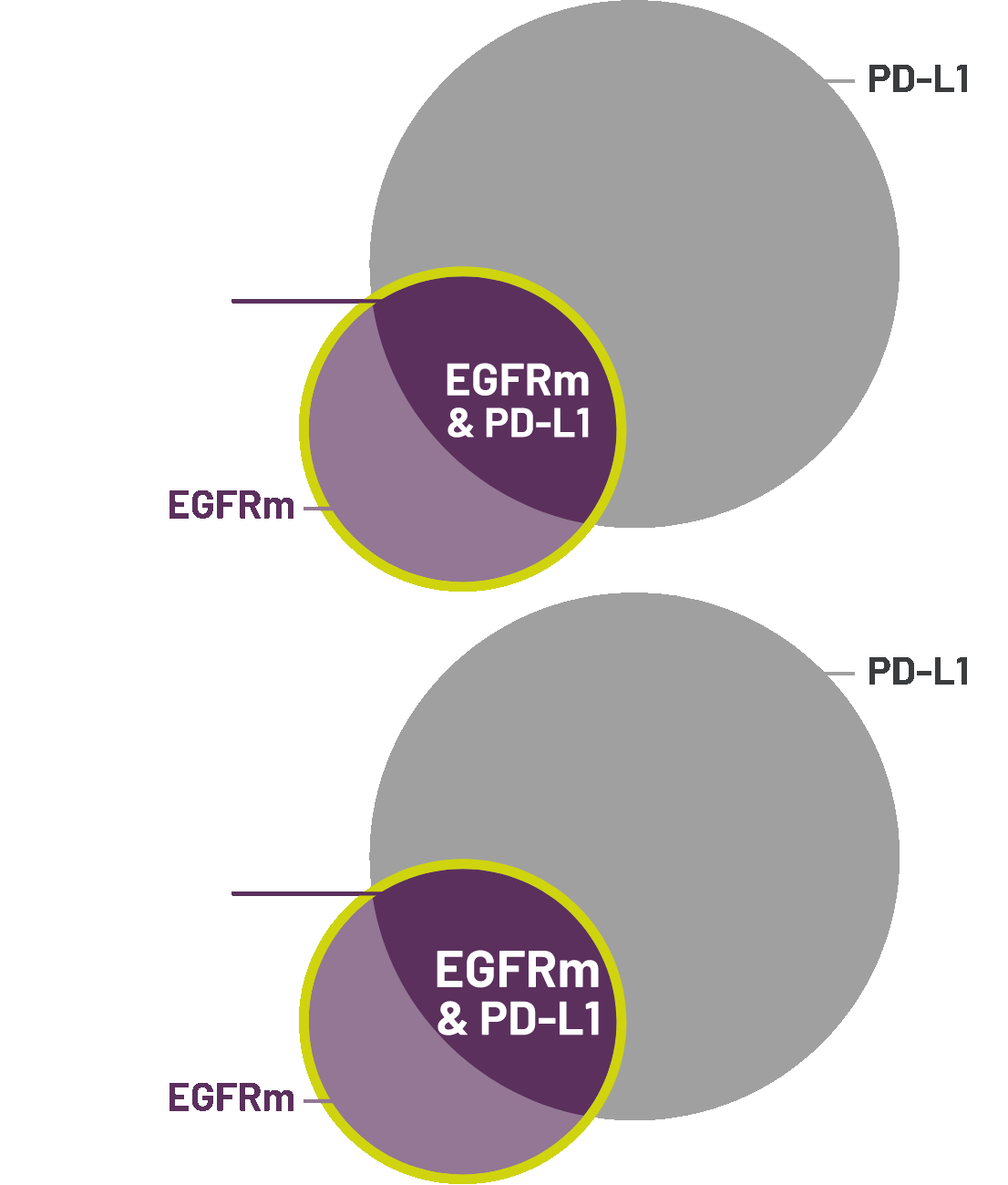
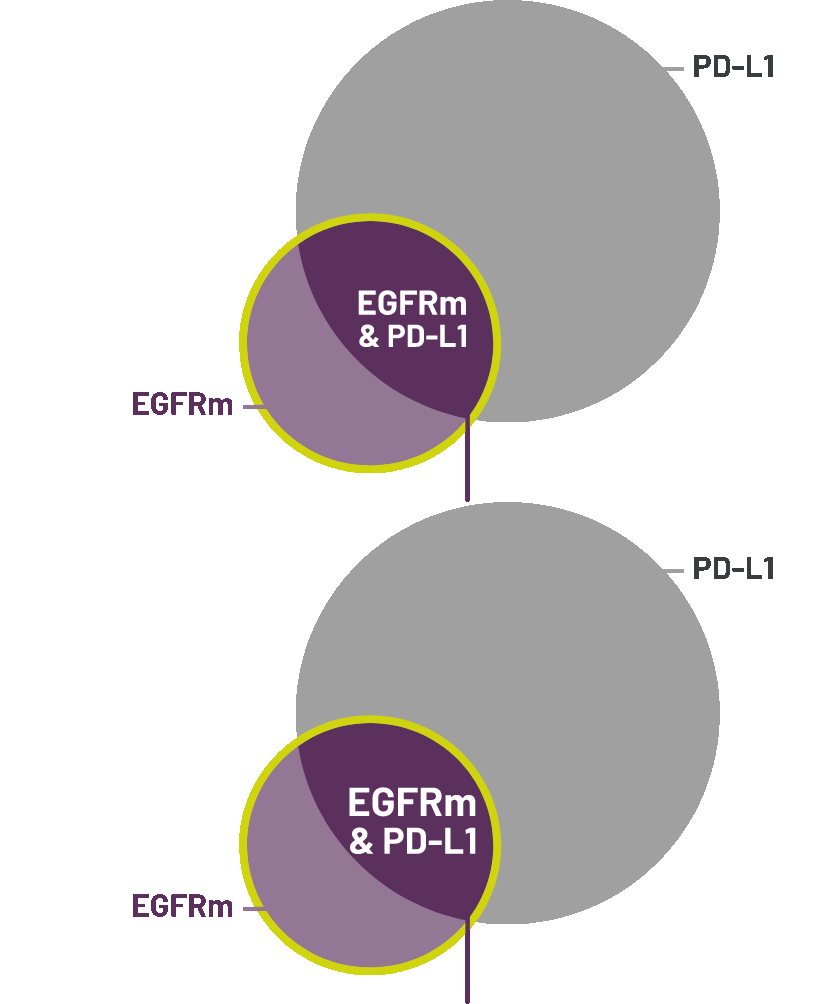
Patients with resectable stage IB-III EGFRm NSCLC can also express PD-L113
OVERLAP OF EGFR MUTATIONS AND
PD-L1 EXPRESSION
Up to 57%
of patients with stage IB-III EGFRm NSCLC also express PD-L1 levels at ≥1%‡
Up to 57%
of patients with stage IB-III EGFRm NSCLC also express PD-L1 levels at ≥1%‡


*Prevalence per stage: stage I = 20% (19, 20.4), stage II = 18% (14.9, 19.9), and stage III = 18% (17.4, 17.7). Prevalence of EGFR mutations in NSCLC adenocarcinoma was based on data from 2 references: Sholl et al (2015) performed mutation analysis on 1007 cases with confirmed diagnosis of lung adenocarcinoma. Testing was performed on 987 cases for EGFR sensitizing mutations (exon 19 deletions, EGFR L858R mutations, EGFR G719X mutations, EGFR L861Q mutations) and other EGFR mutations (any one or more mutations in EGFR other than exon 19 deletions, L858R mutations, G719X mutations, or L861Q mutations). Out of 987 cases, 331 cases that were analyzed had stage I-III NSCLC and 632 had stage IV NSCLC. D’Angelo et al (2012) analyzed tumor specimens from a cohort of 1118 patients with stage I-III surgically resected lung adenocarcinomas with EGFR exon 19 deletions and L858R mutations only.11,12,15,16
‡EGFR mutation status and PD-L1 expression overlap was examined in a retrospective analysis of 319 patients with EGFRm NSCLC across all stages. EGFR mutations included exon 19 deletions (n=145), exon 21 L858R mutations (n=121), exon 19 nondeletions (n=26), exon 21 non-L858R mutations (n=3), exon 18 mutations (n=12), and exon 20 mutations (n=8). One patient had both exon 18 and exon 20 mutations and 3 patients had other mutations. PD-L1 expression ≥1% was observed in 86 out of 150 patients with stage IB-III EGFRm NSCLC.13
Test for EGFR mutations at the earliest opportunity14
Testing for EGFR mutations in patients with resectable stage IB to IIIA, stage IIIB (T2-T3, N2b; T4, N2) NSCLC is recommended in NCCN Guidelines, to inform adjuvant treatment decisions.7**The NCCN Guidelines for NSCLC provide recommendations for certain individual biomarkers that should be tested and recommend testing techniques, but do not endorse any specific commercially available biomarker assays or commercial laboratories.7


Reflex testing can help increase the opportunity for eligible patients to benefit from targeted treatment
- Reflex testing may decrease turnaround time and produce a faster initiation of appropriate treatment, and may find more patients with actionable mutations17
- In a retrospective study, adoption of reflex testing significantly decreased turnaround time for molecular testing results from 52.6 to 15.6 days†
- A retrospective study found that standardized reflex testing led to higher mutation detection rates, with approximately twice as many mutations reported by reflex testing compared to non–reflex testing‡
- Liquid biopsy (plasma) molecular testing has not been clinically validated in the resectable NSCLC setting18
Large, prospective studies are needed to establish clinical validity.
†Based on a single-center, retrospective study of 220 patients with a newly diagnosed early or advanced lung adenocarcinoma whose specimens were received for molecular testing over a 3-year period between 2016 and 2018. Standard molecular testing performed on 39 patients in 2016 had an average turnaround time of 52.6 days, whereas reflex ordered molecular testing in 2017 yielded an average turnaround time of 26.5 days (n=127) and 15.6 days in 2018 (n=54). The average turnaround time for reporting of molecular results decreased by 37 days (P=0.0002) with adoption of reflex ordered testing.17
‡Based on a single-center, retrospective study of 220 patients with a newly diagnosed early or advanced lung adenocarcinoma whose specimens were received for molecular testing over a 3-year period between 2016 and 2018. Reflex testing group reported higher mutation detection rate compared to non-reflex testing group (48.8% vs 25.6%; P<0.05).17
Identify every eligible patient with EGFR mutations to help determine optimal adjuvant treatment

TEST
all eligible patients to
determine if EGFR
is the driver of disease7

KNOW
mutation status to help
inform treatment
decisions

TREAT
eligible patients with resectable EGFRm NSCLC with adjuvant TAGRISSO for
3 years19*
Pill image is not actual size.

all eligible patients to determine if EGFR is the driver of disease8

mutation status to help inform treatment decisions

eligible patients with resectable EGFRm NSCLC with adjuvant TAGRISSO for 3 years19*
Pill image is not actual size.




*Or until disease recurrence or unacceptable toxicity.19
†The NCCN Guidelines for NSCLC provide recommendations for certain individual biomarkers that should be tested and recommend testing techniques, but do not endorse any specific commercially available biomarker assays or commercial laboratories.7



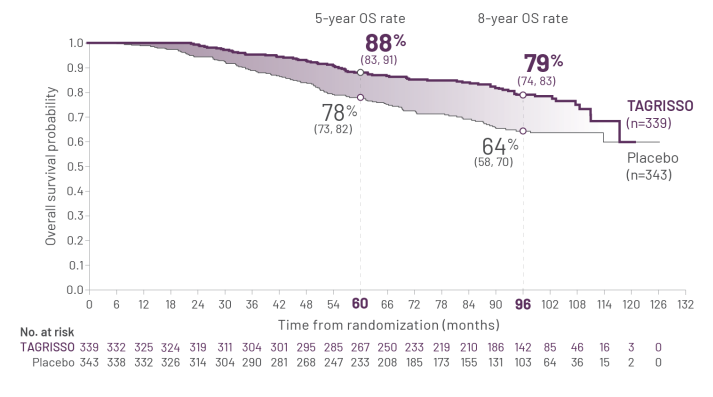
 This product information is intended for US Healthcare Professionals only.
IMPORTANT SAFETY INFORMATION
- There are no contraindications for TAGRISSO
- TAGRISSO can cause severe and fatal interstitial lung disease (ILD)/pneumonitis. ILD/pneumonitis occurred in 4% of the 1813 patients treated with TAGRISSO monotherapy who had not received recent definitive chemoradiation therapy; 0.4% of cases were fatal
- In the FLAURA2 study, ILD/pneumonitis occurred in 3.3% of the 276 patients who received TAGRISSO in combination with pemetrexed and platinum-based chemotherapy; 0.4% of cases were fatal
- In the LAURA study, following definitive platinum-based CRT, ILD/pneumonitis including radiation pneumonitis, occurred in 80 of the 143 patients (56%) who received TAGRISSO monotherapy and 28 of the 73 patients (38%) who received placebo. There was one fatal case (0.7%), 3.5% Grade 3, 34% Grade 2, and 18% Grade 1 adverse reactions of ILD/pneumonitis in TAGRISSO-treated patients. For TAGRISSO-treated patients, ILD/pneumonitis led to permanent discontinuation of TAGRISSO in 7% of patients and dosage interruptions of TAGRISSO in 35% of patients. Among the 46 patients who were rechallenged with TAGRISSO, 11% had recurrence of ILD/pneumonitis. In the 80 TAGRISSO-treated patients, ILD/pneumonitis resolved in 40%, resolved with sequelae in 1.3%, were resolving in 16%, did not resolve in 41%, and resulted in death in 1.3%
- TAGRISSO can cause heart rate-corrected QT (QTc) interval prolongation. Of the 1813 TAGRISSO monotherapy-treated patients in clinical trials, 1.1% were found to have a QTc >500 msec, and 4.3% of patients had an increase from baseline QTc >60 msec. Of the 276 patients treated with TAGRISSO in combination with pemetrexed and platinum-based chemotherapy in the FLAURA2 study, 1.8% were found to have a QTc >500 msec, and 10.5% of patients had an increase from baseline QTc >60 msec. No QTc-related arrhythmias were reported. Clinical trials of TAGRISSO did not enroll patients with baseline QTc of >470 msec. Conduct periodic monitoring with ECGs and electrolytes in patients with congenital long QTc syndrome, congestive heart failure, electrolyte abnormalities, or those who are taking medications known to prolong the QTc interval. Permanently discontinue TAGRISSO in patients who develop QTc interval prolongation with signs/symptoms of life-threatening arrhythmia
- TAGRISSO can cause cardiomyopathy, including cardiac failure, chronic cardiac failure, congestive heart failure, pulmonary edema or decreased ejection fraction. Cardiomyopathy occurred in 3.8% of the 1813 TAGRISSO-treated patients; 0.1% of cardiomyopathy cases were fatal. In the FLAURA2 study, cardiomyopathy occurred in 9% of the 276 patients who received TAGRISSO in combination with pemetrexed and platinum-based chemotherapy; 1.1% of cardiomyopathy cases were fatal. A decline in left ventricular ejection fraction (LVEF) ≥10% from baseline and to <50% LVEF occurred in 4.2% of 1557 patients who had baseline and at least one follow-up LVEF assessment. In the ADAURA study, 1.5% (5/325) of TAGRISSO-treated patients experienced LVEF decreases ≥10% from baseline and a drop to <50%. In the LAURA study, following platinum-based CRT, 3% (4/135) of TAGRISSO-treated patients and no placebo-treated patients experienced LVEF decreases ≥10% and a drop to <50%. In the FLAURA2 study, 8% (21/262) of patients treated with TAGRISSO in combination with pemetrexed and platinum-based chemotherapy, who had baseline and at least one follow-up LVEF assessment, experienced LVEF decreases ≥10% and a drop to <50%. For patients receiving TAGRISSO monotherapy, conduct cardiac monitoring in patients with cardiac risk factors, including assessment of LVEF at baseline and during treatment. For patients receiving TAGRISSO in combination with pemetrexed and platinum-based chemotherapy, conduct cardiac monitoring in all patients, including assessment of LVEF at baseline and during treatment. Assess LVEF in patients who develop relevant cardiac signs or symptoms during treatment. For symptomatic congestive heart failure, permanently discontinue TAGRISSO
- Keratitis was reported in 0.6% of 1813 patients treated with TAGRISSO monotherapy in clinical trials. Promptly refer patients with signs and symptoms suggestive of keratitis (such as eye inflammation, lacrimation, light sensitivity, blurred vision, eye pain and/or red eye) to an ophthalmologist
- Postmarketing cases consistent with erythema multiforme major (EMM), Stevens-Johnson syndrome (SJS) and toxic epidermal necrolysis (TEN) have been reported in patients receiving TAGRISSO. Withhold TAGRISSO if EMM, SJS, or TEN is suspected and permanently discontinue if confirmed
- Postmarketing cases of cutaneous vasculitis including leukocytoclastic vasculitis, urticarial vasculitis, and IgA vasculitis have been reported in patients receiving TAGRISSO. Withhold TAGRISSO if cutaneous vasculitis is suspected, evaluate for systemic involvement, and consider dermatology consultation. If no other etiology can be identified, consider permanent discontinuation of TAGRISSO based on severity
- Aplastic anemia has been reported in TAGRISSO-treated patients in clinical trials (0.06% of 1813) and postmarketing. Some cases had a fatal outcome. Inform patients of the signs and symptoms of aplastic anemia including but not limited to, new or persistent fevers, bruising, bleeding, and pallor. If aplastic anemia is suspected, withhold TAGRISSO and obtain a hematology consultation. If aplastic anemia is confirmed, permanently discontinue TAGRISSO. Perform complete blood count with differential before starting TAGRISSO, periodically throughout treatment, and more frequently if indicated
- Verify pregnancy status of females of reproductive potential prior to initiating TAGRISSO. Advise pregnant women of the potential risk to a fetus. Advise females of reproductive potential to use effective contraception during treatment with TAGRISSO and for 6 weeks after the last dose. Advise males with female partners of reproductive potential to use effective contraception for 4 months after the last dose
- Because of the potential for serious adverse reactions in breastfed infants from TAGRISSO, women should not breastfeed during treatment with TAGRISSO and for 2 weeks after the last dose
- Most common (≥20%) adverse reactions, including laboratory abnormalities, were:
- TAGRISSO monotherapy: leukopenia, lymphopenia, thrombocytopenia, anemia, diarrhea, rash, musculoskeletal pain, neutropenia, nail toxicity, dry skin, stomatitis, and fatigue
- TAGRISSO monotherapy following platinum-based chemoradiation therapy: lymphopenia, leukopenia, ILD/pneumonitis, thrombocytopenia, neutropenia, rash, diarrhea, nail toxicity, musculoskeletal pain, cough and COVID-19
- TAGRISSO in combination with pemetrexed and platinum-based chemotherapy: leukopenia, thrombocytopenia, neutropenia, lymphopenia, rash, diarrhea, stomatitis, nail toxicity, dry skin, and increased blood creatinine
ILD/Pneumonitis with TAGRISSO in combination with Pemetrexed and Platinum-based Chemotherapy:
ILD/Pneumonitis Following Definitive Platinum-based Chemoradiation Therapy (CRT):
For patients receiving TAGRISSO who have not received recent definitive platinum-based CRT, withhold TAGRISSO and promptly investigate for ILD in patients who present with worsening of respiratory symptoms which may be indicative of ILD (e.g., dyspnea, cough, and fever). Permanently discontinue TAGRISSO if ILD/pneumonitis is confirmed. For patients who have received recent definitive platinum-based CRT with Grade 1 ILD/pneumonitis, continue TAGRISSO or interrupt and restart, as appropriate. Permanently discontinue TAGRISSO in patients diagnosed with Grade ≥2 ILD/pneumonitis
INDICATIONS
- TAGRISSO is indicated as adjuvant therapy after tumor resection in adult patients with non-small cell lung cancer (NSCLC) whose tumors have epidermal growth factor receptor (EGFR) exon 19 deletions or exon 21 L858R mutations, as detected by an FDA-approved test
- TAGRISSO is indicated for the treatment of adult patients with locally advanced, unresectable (stage III) NSCLC whose disease has not progressed during or following concurrent or sequential platinum-based chemoradiation therapy and whose tumors have epidermal growth factor receptor (EGFR) exon 19 deletions or exon 21 L858R mutations, as detected by an FDA-approved test
- TAGRISSO is indicated for the first-line treatment of adult patients with metastatic non-small cell lung cancer (NSCLC) whose tumors have epidermal growth factor receptor (EGFR) exon 19 deletions or exon 21 L858R mutations, as detected by an FDA-approved test
- TAGRISSO is indicated in combination with pemetrexed and platinum-based chemotherapy, for the first-line treatment of adult patients with locally advanced or metastatic NSCLC whose tumors have epidermal growth factor receptor (EGFR) exon 19 deletions or exon 21 L858R mutations, as detected by an FDA-approved test
- TAGRISSO is indicated for the treatment of adult patients with metastatic epidermal growth factor receptor (EGFR) T790M mutation-positive NSCLC, as detected by an FDA-approved test, whose disease has progressed on or after EGFR tyrosine kinase inhibitor (TKI) therapy
Please see complete Prescribing Information, including Patient Information for TAGRISSO.
You may report side effects related to AstraZeneca products  .
.
https://www.astrazeneca.com/media-centre/press-releases/2015/TAGRISSO-AZD9291-approved-by-the-US-FDA-for-patients-with-EGFR-T790M-mutation-positive-metastatic-non-small-cell-lung-cancer-13112015.html. Published November 13, 2015. Accessed September 10, 2020. 3. FDA website. FDA approves osimertinib for first-line treatment of metastatic NSCLC with most common EGFR mutations. https://www.fda.gov/drugs/resources-information-approved-drugs/fda-approves-osimertinib-first-line-treatment-metastatic-nsclc-most-common-egfr-mutations. Published April 19, 2018. Accessed October 13, 2020. 4. FDA website. FDA approves osimertinib as adjuvant therapy for non-small cell lung cancer with EGFR mutations. https://www.fda.gov/drugs/resources-information-approved-drugs/fda-approves-osimertinib-adjuvant-therapy-non-small-cell-lung-cancer-egfr-mutations. Published December 18, 2020. Accessed August 11, 2021. 5. Tagrisso with the addition of chemotherapy approved in the US for patients with EGFR-mutated advanced lung cancer [press release]. AstraZeneca Media Centre; February 16, 2024. 6. AstraZeneca Media Centre. LAURA press release. https://www.astrazeneca.com/media-centre/press-releases/2024/tagrisso-us-approval-in-unresectable-lung-cancer.html. Published September 26, 2024. Accessed September 26, 2024. 7. Data on File. US-106658. AstraZeneca Pharmaceuticals LP. 8. Referenced with permission from the NCCN Clinical Practice Guidelines in Oncology (NCCN Guidelines®) for Non-Small Cell Lung Cancer V.5.2026. © National Comprehensive Cancer Network, Inc. 2026. All rights reserved. Accessed March 13, 2026. To view the most recent and complete version of the guideline, go online to NCCN.org. NCCN makes no warranties of any kind whatsoever regarding their content, use or application and disclaims any responsibility for their application or use in any way. 9. AstraZeneca Media Centre. AURA3 press release. https://www.astrazeneca.com/media-centre/press-releases/2017/tagrisso-osimertinib-receives-us-fda-full-approval-31032017.html. Published March 31, 2017. Accessed September 10, 2020.
CI, confidence interval; DFS, disease-free survival; EGFR, epidermal growth factor receptor; EGFRm, epidermal growth factor receptor mutation; HR, hazard ratio; L858R, exon 21 leucine 858 arginine substitution; NCCN, National Comprehensive Cancer Network® (NCCN®); NE, not estimable; NSCLC, non-small cell lung cancer; OS, overall survival; TKI, tyrosine kinase inhibitor.
References: 1. TAGRISSO [package insert]. Wilmington, DE: AstraZeneca Pharmaceuticals LP; 2024. 2. Referenced with permission from the NCCN Clinical Practice Guidelines in Oncology (NCCN Guidelines®) for Non-Small Cell Lung Cancer V.5.2026. © National Comprehensive Cancer Network, Inc. 2026. All rights reserved. Accessed March 13, 2026. To view the most recent and complete version of the guideline, go online to NCCN.org. NCCN makes no warranties of any kind whatsoever regarding their content, use or application and disclaims any responsibility for their application or use in any way. 3. Tsuboi M, Herbst RS, John T, et al; ADAURA Investigators. Overall survival with osimertinib in resected EGFR-mutated NSCLC. N Engl J Med. 2023;389(2):137-147.IMPORTANT SAFETY INFORMATION
- There are no contraindications for TAGRISSO
- TAGRISSO can cause severe and fatal interstitial lung disease (ILD)/pneumonitis. ILD/pneumonitis occurred in 4% of the 1813 patients treated with TAGRISSO monotherapy who had not received recent definitive chemoradiation therapy; 0.4% of cases were fatal
- In the FLAURA2 study, ILD/pneumonitis occurred in 3.3% of the 276 patients who received TAGRISSO in combination with pemetrexed and platinum-based chemotherapy; 0.4% of cases were fatal
- In the LAURA study, following definitive platinum-based CRT, ILD/pneumonitis including radiation pneumonitis, occurred in 80 of the 143 patients (56%) who received TAGRISSO monotherapy and 28 of the 73 patients (38%) who received placebo. There was one fatal case (0.7%), 3.5% Grade 3, 34% Grade 2, and 18% Grade 1 adverse reactions of ILD/pneumonitis in TAGRISSO-treated patients. For TAGRISSO-treated patients, ILD/pneumonitis led to permanent discontinuation of TAGRISSO in 7% of patients and dosage interruptions of TAGRISSO in 35% of patients. Among the 46 patients who were rechallenged with TAGRISSO, 11% had recurrence of ILD/pneumonitis. In the 80 TAGRISSO-treated patients, ILD/pneumonitis resolved in 40%, resolved with sequelae in 1.3%, were resolving in 16%, did not resolve in 41%, and resulted in death in 1.3%
- TAGRISSO can cause heart rate-corrected QT (QTc) interval prolongation. Of the 1813 TAGRISSO monotherapy-treated patients in clinical trials, 1.1% were found to have a QTc >500 msec, and 4.3% of patients had an increase from baseline QTc >60 msec. Of the 276 patients treated with TAGRISSO in combination with pemetrexed and platinum-based chemotherapy in the FLAURA2 study, 1.8% were found to have a QTc >500 msec, and 10.5% of patients had an increase from baseline QTc >60 msec. No QTc-related arrhythmias were reported. Clinical trials of TAGRISSO did not enroll patients with baseline QTc of >470 msec. Conduct periodic monitoring with ECGs and electrolytes in patients with congenital long QTc syndrome, congestive heart failure, electrolyte abnormalities, or those who are taking medications known to prolong the QTc interval. Permanently discontinue TAGRISSO in patients who develop QTc interval prolongation with signs/symptoms of life-threatening arrhythmia
- TAGRISSO can cause cardiomyopathy, including cardiac failure, chronic cardiac failure, congestive heart failure, pulmonary edema or decreased ejection fraction. Cardiomyopathy occurred in 3.8% of the 1813 TAGRISSO-treated patients; 0.1% of cardiomyopathy cases were fatal. In the FLAURA2 study, cardiomyopathy occurred in 9% of the 276 patients who received TAGRISSO in combination with pemetrexed and platinum-based chemotherapy; 1.1% of cardiomyopathy cases were fatal. A decline in left ventricular ejection fraction (LVEF) ≥10% from baseline and to <50% LVEF occurred in 4.2% of 1557 patients who had baseline and at least one follow-up LVEF assessment. In the ADAURA study, 1.5% (5/325) of TAGRISSO-treated patients experienced LVEF decreases ≥10% from baseline and a drop to <50%. In the LAURA study, following platinum-based CRT, 3% (4/135) of TAGRISSO-treated patients and no placebo-treated patients experienced LVEF decreases ≥10% and a drop to <50%. In the FLAURA2 study, 8% (21/262) of patients treated with TAGRISSO in combination with pemetrexed and platinum-based chemotherapy, who had baseline and at least one follow-up LVEF assessment, experienced LVEF decreases ≥10% and a drop to <50%. For patients receiving TAGRISSO monotherapy, conduct cardiac monitoring in patients with cardiac risk factors, including assessment of LVEF at baseline and during treatment. For patients receiving TAGRISSO in combination with pemetrexed and platinum-based chemotherapy, conduct cardiac monitoring in all patients, including assessment of LVEF at baseline and during treatment. Assess LVEF in patients who develop relevant cardiac signs or symptoms during treatment. For symptomatic congestive heart failure, permanently discontinue TAGRISSO
- Keratitis was reported in 0.6% of 1813 patients treated with TAGRISSO monotherapy in clinical trials. Promptly refer patients with signs and symptoms suggestive of keratitis (such as eye inflammation, lacrimation, light sensitivity, blurred vision, eye pain and/or red eye) to an ophthalmologist
- Postmarketing cases consistent with erythema multiforme major (EMM), Stevens-Johnson syndrome (SJS) and toxic epidermal necrolysis (TEN) have been reported in patients receiving TAGRISSO. Withhold TAGRISSO if EMM, SJS, or TEN is suspected and permanently discontinue if confirmed
- Postmarketing cases of cutaneous vasculitis including leukocytoclastic vasculitis, urticarial vasculitis, and IgA vasculitis have been reported in patients receiving TAGRISSO. Withhold TAGRISSO if cutaneous vasculitis is suspected, evaluate for systemic involvement, and consider dermatology consultation. If no other etiology can be identified, consider permanent discontinuation of TAGRISSO based on severity
- Aplastic anemia has been reported in TAGRISSO-treated patients in clinical trials (0.06% of 1813) and postmarketing. Some cases had a fatal outcome. Inform patients of the signs and symptoms of aplastic anemia including but not limited to, new or persistent fevers, bruising, bleeding, and pallor. If aplastic anemia is suspected, withhold TAGRISSO and obtain a hematology consultation. If aplastic anemia is confirmed, permanently discontinue TAGRISSO. Perform complete blood count with differential before starting TAGRISSO, periodically throughout treatment, and more frequently if indicated
- Verify pregnancy status of females of reproductive potential prior to initiating TAGRISSO. Advise pregnant women of the potential risk to a fetus. Advise females of reproductive potential to use effective contraception during treatment with TAGRISSO and for 6 weeks after the last dose. Advise males with female partners of reproductive potential to use effective contraception for 4 months after the last dose
- Because of the potential for serious adverse reactions in breastfed infants from TAGRISSO, women should not breastfeed during treatment with TAGRISSO and for 2 weeks after the last dose
- Most common (≥20%) adverse reactions, including laboratory abnormalities, were:
- TAGRISSO monotherapy: leukopenia, lymphopenia, thrombocytopenia, anemia, diarrhea, rash, musculoskeletal pain, neutropenia, nail toxicity, dry skin, stomatitis, and fatigue
- TAGRISSO monotherapy following platinum-based chemoradiation therapy: lymphopenia, leukopenia, ILD/pneumonitis, thrombocytopenia, neutropenia, rash, diarrhea, nail toxicity, musculoskeletal pain, cough and COVID-19
- TAGRISSO in combination with pemetrexed and platinum-based chemotherapy: leukopenia, thrombocytopenia, neutropenia, lymphopenia, rash, diarrhea, stomatitis, nail toxicity, dry skin, and increased blood creatinine
ILD/Pneumonitis with TAGRISSO in combination with Pemetrexed and Platinum-based Chemotherapy:
ILD/Pneumonitis Following Definitive Platinum-based Chemoradiation Therapy (CRT):
For patients receiving TAGRISSO who have not received recent definitive platinum-based CRT, withhold TAGRISSO and promptly investigate for ILD in patients who present with worsening of respiratory symptoms which may be indicative of ILD (e.g., dyspnea, cough, and fever). Permanently discontinue TAGRISSO if ILD/pneumonitis is confirmed. For patients who have received recent definitive platinum-based CRT with Grade 1 ILD/pneumonitis, continue TAGRISSO or interrupt and restart, as appropriate. Permanently discontinue TAGRISSO in patients diagnosed with Grade ≥2 ILD/pneumonitis
INDICATIONS
- TAGRISSO is indicated as adjuvant therapy after tumor resection in adult patients with non-small cell lung cancer (NSCLC) whose tumors have epidermal growth factor receptor (EGFR) exon 19 deletions or exon 21 L858R mutations, as detected by an FDA-approved test
- TAGRISSO is indicated for the treatment of adult patients with locally advanced, unresectable (stage III) NSCLC whose disease has not progressed during or following concurrent or sequential platinum-based chemoradiation therapy and whose tumors have epidermal growth factor receptor (EGFR) exon 19 deletions or exon 21 L858R mutations, as detected by an FDA-approved test
- TAGRISSO is indicated for the first-line treatment of adult patients with metastatic non-small cell lung cancer (NSCLC) whose tumors have epidermal growth factor receptor (EGFR) exon 19 deletions or exon 21 L858R mutations, as detected by an FDA-approved test
- TAGRISSO is indicated in combination with pemetrexed and platinum-based chemotherapy, for the first-line treatment of adult patients with locally advanced or metastatic NSCLC whose tumors have epidermal growth factor receptor (EGFR) exon 19 deletions or exon 21 L858R mutations, as detected by an FDA-approved test
- TAGRISSO is indicated for the treatment of adult patients with metastatic epidermal growth factor receptor (EGFR) T790M mutation-positive NSCLC, as detected by an FDA-approved test, whose disease has progressed on or after EGFR tyrosine kinase inhibitor (TKI) therapy
Please see complete Prescribing Information, including Patient Information for TAGRISSO.
You may report side effects related to AstraZeneca products .
https://www.astrazeneca.com/media-centre/press-releases/2015/TAGRISSO-AZD9291-approved-by-the-US-FDA-for-patients-with-EGFR-T790M-mutation-positive-metastatic-non-small-cell-lung-cancer-13112015.html. Published November 13, 2015. Accessed September 10, 2020. 3. FDA website. FDA approves osimertinib for first-line treatment of metastatic NSCLC with most common EGFR mutations. https://www.fda.gov/drugs/resources-information-approved-drugs/fda-approves-osimertinib-first-line-treatment-metastatic-nsclc-most-common-egfr-mutations. Published April 19, 2018. Accessed October 13, 2020. 4. FDA website. FDA approves osimertinib as adjuvant therapy for non-small cell lung cancer with EGFR mutations. https://www.fda.gov/drugs/resources-information-approved-drugs/fda-approves-osimertinib-adjuvant-therapy-non-small-cell-lung-cancer-egfr-mutations. Published December 18, 2020. Accessed August 11, 2021. 5. Tagrisso with the addition of chemotherapy approved in the US for patients with EGFR-mutated advanced lung cancer [press release]. AstraZeneca Media Centre; February 16, 2024. 6. AstraZeneca Media Centre. LAURA press release. https://www.astrazeneca.com/media-centre/press-releases/2024/tagrisso-us-approval-in-unresectable-lung-cancer.html. Published September 26, 2024. Accessed September 26, 2024. 7. Data on File. US-106658. AstraZeneca Pharmaceuticals LP. 8. Referenced with permission from the NCCN Clinical Practice Guidelines in Oncology (NCCN Guidelines®) for Non-Small Cell Lung Cancer V.5.2026. © National Comprehensive Cancer Network, Inc. 2026. All rights reserved. Accessed March 13, 2026. To view the most recent and complete version of the guideline, go online to NCCN.org. NCCN makes no warranties of any kind whatsoever regarding their content, use or application and disclaims any responsibility for their application or use in any way. 9. AstraZeneca Media Centre. AURA3 press release. https://www.astrazeneca.com/media-centre/press-releases/2017/tagrisso-osimertinib-receives-us-fda-full-approval-31032017.html. Published March 31, 2017. Accessed September 10, 2020.
CI, confidence interval; DFS, disease-free survival; EGFR, epidermal growth factor receptor; EGFRm, epidermal growth factor receptor mutation; HR, hazard ratio; L858R, exon 21 leucine 858 arginine substitution; NCCN, National Comprehensive Cancer Network® (NCCN®); NE, not estimable; NSCLC, non-small cell lung cancer; OS, overall survival; TKI, tyrosine kinase inhibitor.
References: 1. TAGRISSO [package insert]. Wilmington, DE: AstraZeneca Pharmaceuticals LP; 2024. 2. Referenced with permission from the NCCN Clinical Practice Guidelines in Oncology (NCCN Guidelines®) for Non-Small Cell Lung Cancer V.5.2026. © National Comprehensive Cancer Network, Inc. 2026. All rights reserved. Accessed March 13, 2026. To view the most recent and complete version of the guideline, go online to NCCN.org. NCCN makes no warranties of any kind whatsoever regarding their content, use or application and disclaims any responsibility for their application or use in any way. 3. Tsuboi M, Herbst RS, John T, et al; ADAURA Investigators. Overall survival with osimertinib in resected EGFR-mutated NSCLC. N Engl J Med. 2023;389(2):137-147.